
Short Manaslu Circuit Trek: Cross Larkya La and Circle the World’s 8th-Highest Peak in Just 11 Days
28th Oct, 2026

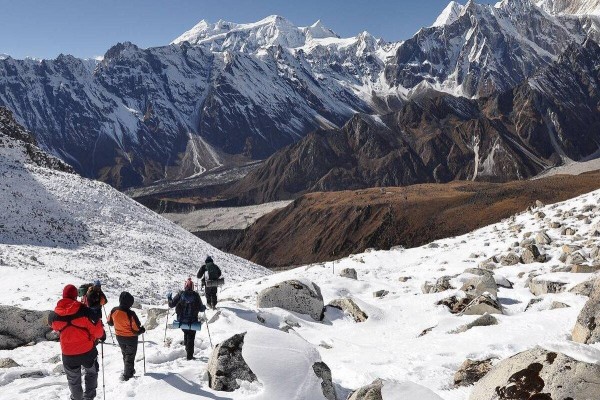
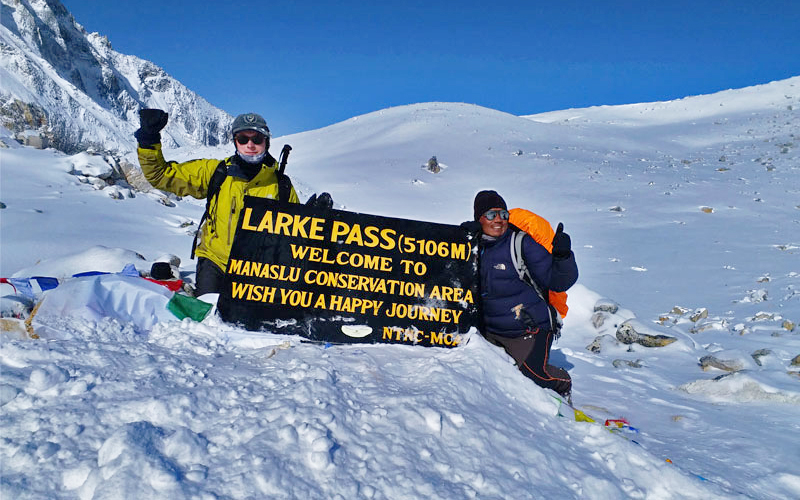
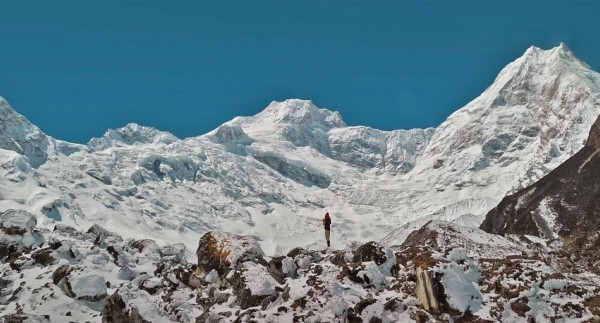
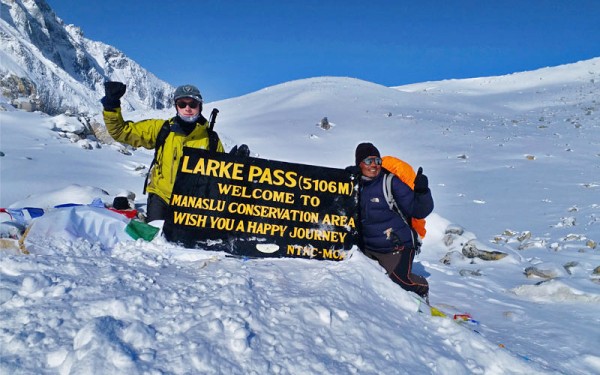
Most Himalayan treks ask for three weeks and a crowd-tolerant attitude. The Short Manaslu Circuit Trek asks for 11 days and gives you something rarer: a full loop around Mount Manaslu (8,163 m), the eighth-highest mountain on Earth. It takes you across the dramatic Larkya La Pass (5,106 m) and through Tibetan-influenced villages, on a trail that stays quiet because the region is government-restricted.
Table of Contents
If you want big-mountain scenery without the traffic of Everest Base Camp or the Annapurna Circuit, this guide covers the itinerary, difficulty, permits, cost, best season and the questions trekkers ask most.
Short Manaslu Circuit Trek at a Glance
| Detail | Information |
|---|---|
| Duration | 11 days (trek plus drive from Kathmandu) |
| Trek distance | Approx. 110–120 km |
| Highest point | Larkya La Pass, 5,106 m |
| Difficulty | Moderate to challenging |
| Starting point | Machha Khola (private jeep, 7–9 hrs from Kathmandu) |
| Accommodation | Teahouse lodges, twin sharing |
| Best seasons | March–May and September–November |
| Permits | Manaslu RAP, MCAP and ACAP (licensed guide mandatory) |
| Price | From US$1,050 (Budget) / US$1,485 (Standard) per person |
What Is the Short Manaslu Circuit Trek?
The Short Manaslu Circuit Trek is a condensed version of the classic 13–16 day Manaslu Circuit. It follows the same loop and hits the same highlights: the Budhi Gandaki gorge, Samagaon, Samdo, Larkya La Pass and the alpine meadows of Bimthang. It saves time with a longer drive to Machha Khola on Day 1 and a tightly planned schedule that still includes a full acclimatization day.
You give up some rest days, not the experience. It suits trekkers who are fit, short on time, and want a genuine wilderness trek instead of a crowded trail.
Why Choose This Trek? 6 Highlights
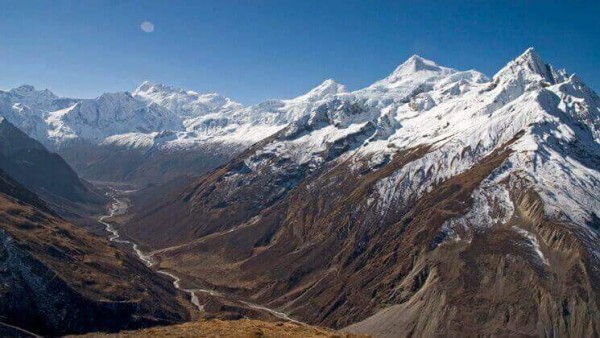
1. Walk around the world’s 8th-highest peak. You see Manaslu from every side as the loop unfolds, with especially close views from Lho and Samagaon.
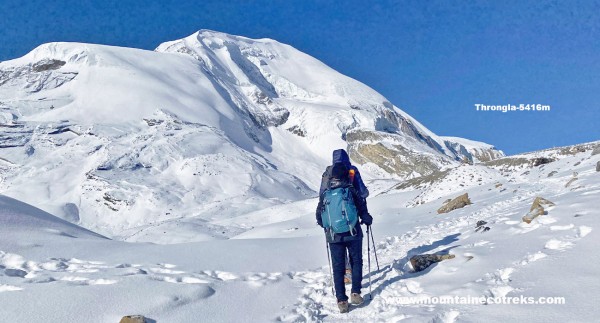
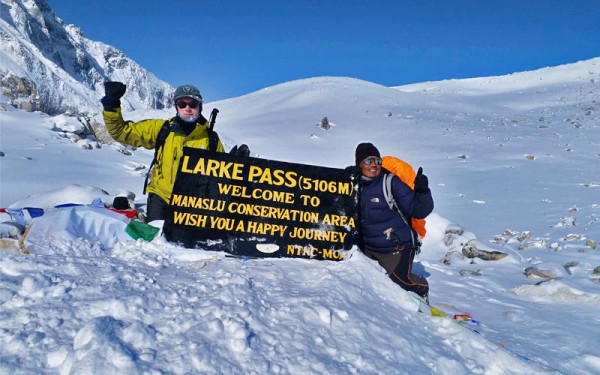
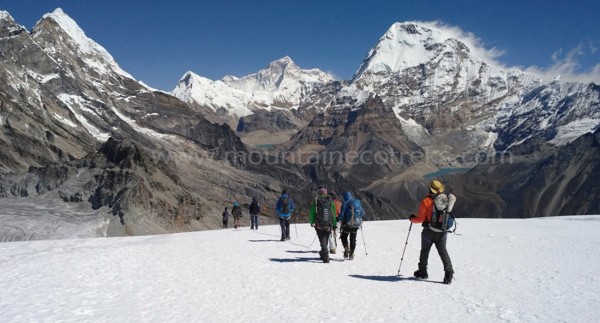
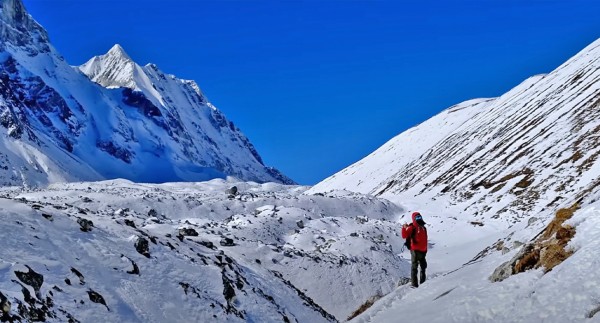
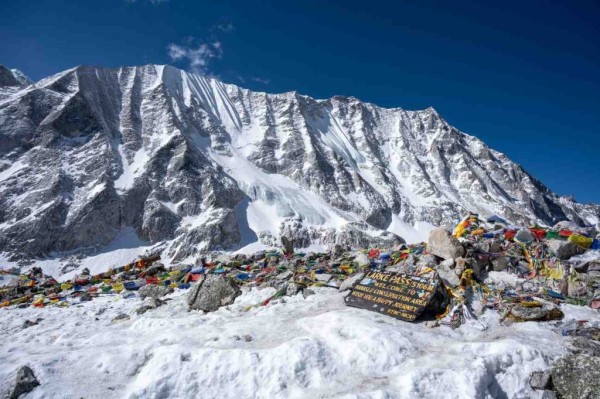
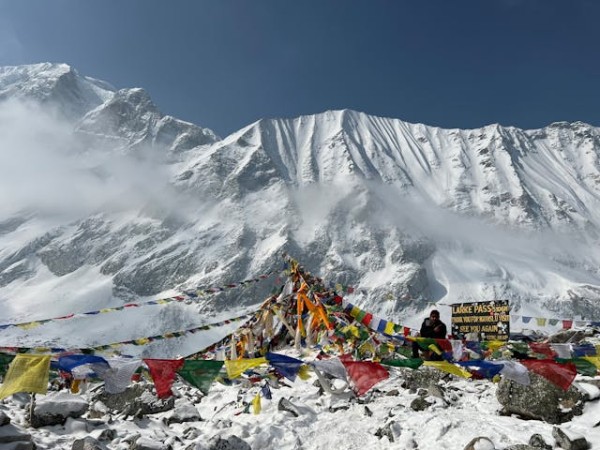
2. Cross Larkya La Pass (5,106 m). This is the crown jewel of the trek. From the top you get a sweeping panorama of Manaslu, Himlung Himal, Cheo Himal, Kang Guru and Annapurna II.
3. Real solitude. Manaslu is a restricted area, so permits are limited and the trail stays far less crowded than Nepal’s headline routes.
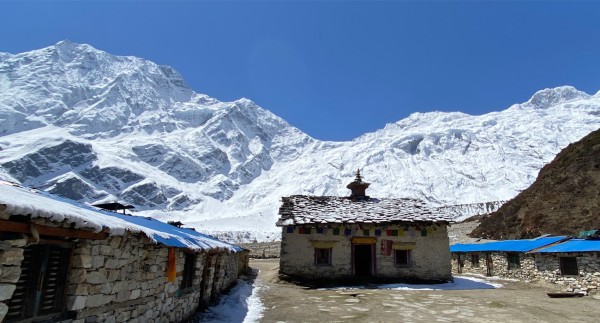
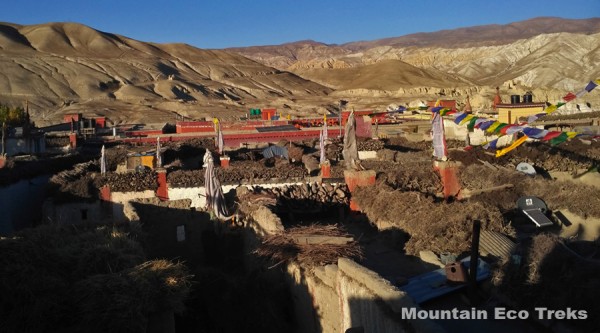
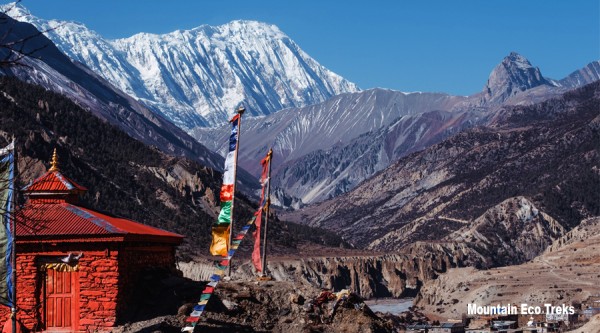
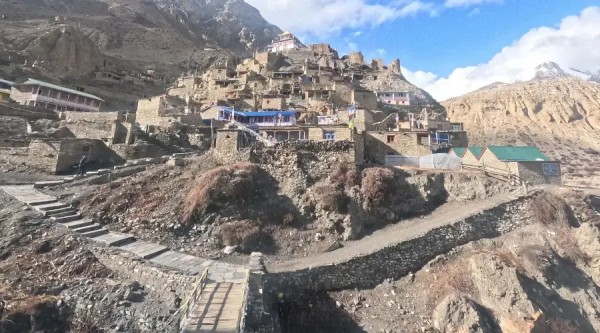
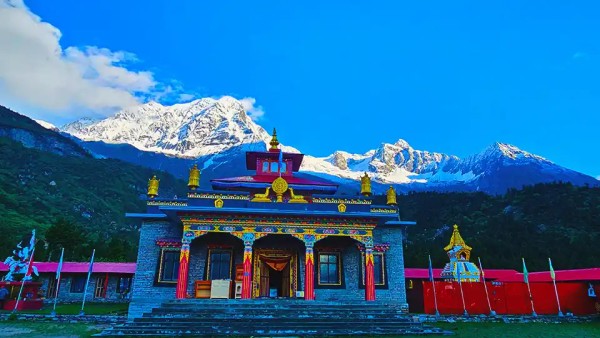
4. Living Tibetan Buddhist culture. Expect long mani walls, prayer flags, and gompas such as Ribung, Tong and the centuries-old Pungyen Gompa. The villages are home to Gurung, Magar and Tibetan-influenced communities.
5. Birendra Lake. This turquoise glacial lake near Samagaon makes a perfect acclimatization hike.
6. Teahouse comfort. No camping gear is needed. Lodges with hot meals are available at every stop.
Short Manaslu Circuit Trek Itinerary: Day by Day
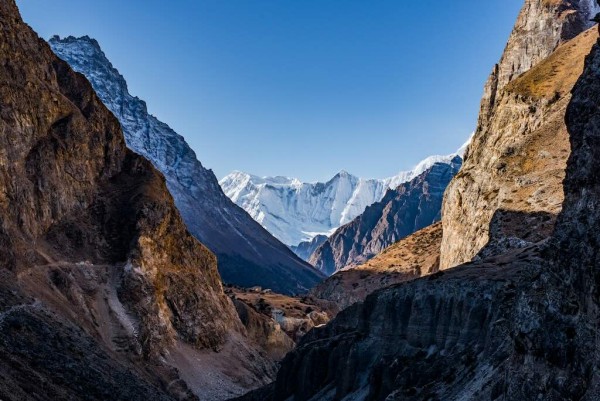
Day 1: Drive Kathmandu to Machha Khola (900 m), about 8 hours. An early start takes you through terraced hills and river valleys to the trailhead on the Budhi Gandaki.
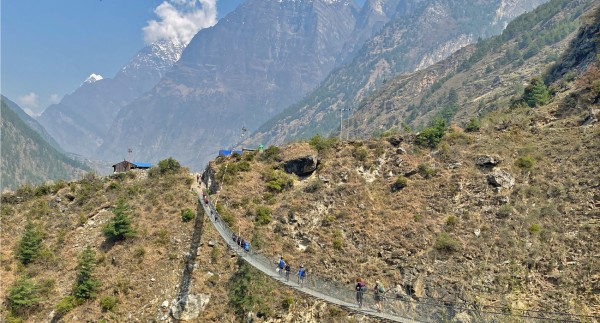
Day 2: Trek to Jagat (1,410 m), 6–7 hours. You follow the river over suspension bridges and past Gurung and Magar villages.
Day 3: Trek to Deng via Philim (1,800 m), 6–7 hours. The route passes Philim’s monasteries and mani walls, then climbs through forest.
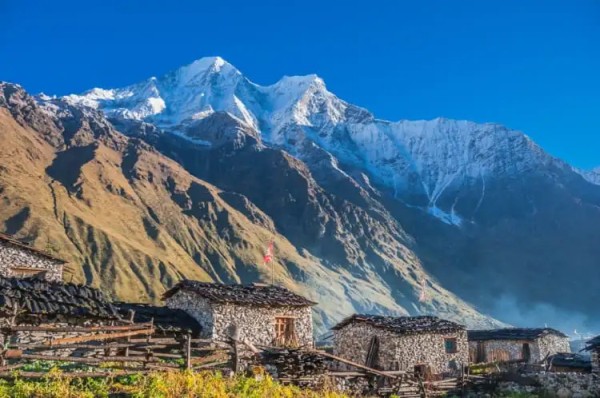
Day 4: Trek to Namrung (2,630 m), 5–6 hours. The scenery shifts to pine forest and stone-built Buddhist villages. This is a good day for adapting to altitude.
Day 5: Trek to Sama Gaon via Lho (3,530 m), 7–8 hours. Manaslu rises into full view above Lho. You reach the Tibetan-style village of Sama Gaon by evening.
Day 6: Acclimatization day at Sama Gaon. Hike to Birendra Lake or visit Pungyen Gompa, and spend time among the local community. Your body needs this day before the high section.
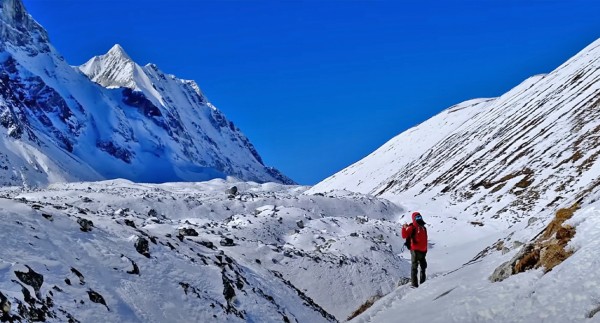
Day 7: Trek to Samdo (3,860 m), 4–5 hours. The trail runs through alpine terrain beneath Manaslu’s north face, ending at a small village near the Tibetan border.
Day 8: Trek to Dharmasala / Larkya La Base Camp (4,460 m), 4–5 hours. A short, steady climb past glacial streams. Rest early for tomorrow.
Day 9: Cross Larkya La (5,106 m) to Bimthang (3,720 m), 8–9 hours. This is the hardest and best day. You start before dawn, climb about 650 m to the pass, then descend nearly 1,400 m into the green meadows of Bimthang.
Day 10: Trek to Tilje (2,300 m), 6–7 hours. You walk through forest and villages in the Marsyangdi valley.
Day 11: Drive Tilje to Kathmandu, 8–9 hours. You return by jeep to Kathmandu.
How Difficult Is the Short Manaslu Circuit Trek?
Moderate to challenging. No technical climbing is involved, but three things add up:
- Long days. Most walking days run 5–9 hours.
- Altitude. You sleep above 3,500 m for several nights, and the pass is above 5,000 m.
- Pace. The short itinerary leaves less room to recover than the 14-day version.
You will enjoy it most if you have good cardiovascular fitness and some previous high-altitude or multi-day trekking experience. Start training 6–8 weeks ahead with hill walking, stair climbs and loaded day hikes. Our guides check your oxygen saturation and pulse daily, and the acclimatization day at Sama Gaon is built in for safety. For more detail, read our guide: Is the Short Manaslu Circuit Trek Difficult?
Best Time for the Short Manaslu Circuit Trek
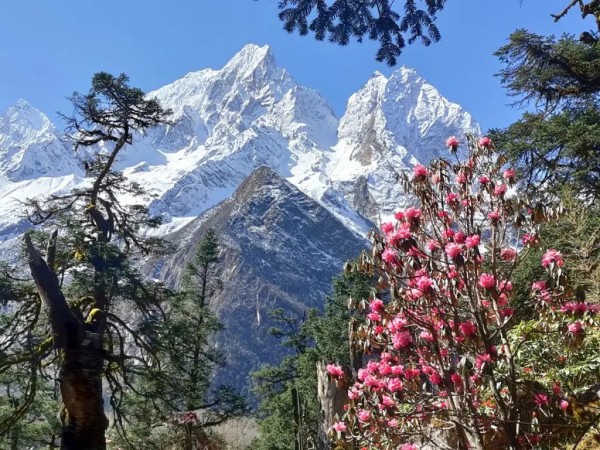
Autumn (September–November) has the clearest skies and the most stable weather, and October is the single best month. Spring (March–May) brings rhododendron blooms, warmer days and generally fewer trekkers.
Monsoon (June–August) brings rain and landslide risk. Winter (December–February) is cold, and heavy snow can close the pass, so it needs flexible plans and an experienced guide. See the full season breakdown here: Best Time for the Short Manaslu Circuit Trek.
Permits and Rules You Must Know
Manaslu is a restricted area, so you cannot trek independently. You need:
- Manaslu Restricted Area Permit (RAP). Autumn (Sept–Nov): US$100 for the first 7 days, then US$15 per extra day. Dec–Aug: US$75 for the first 7 days, then US$10 per extra day.
- Manaslu Conservation Area Permit (MCAP): US$20.
- Annapurna Conservation Area Permit (ACAP): US$20, needed because the route exits through the Annapurna region.
- Local municipality entrance fee: around US$7.
- A government-licensed guide, which is mandatory by law, plus a minimum group requirement for the RAP.
Mountain Eco Treks arranges all permits in Kathmandu, and they are included in our packages. Fees can change, so confirm them at booking. Full details: Short Manaslu Circuit Trek Permits and Cost.
Cost: How Much Does the Trek Cost?
At Mountain Eco Treks, the 11-day Short Manaslu Circuit Trek is offered in two plans:
- Standard Plan: US$1,485 per person. Includes private transport, 2 nights in a 3-star Kathmandu hotel, all permits, a licensed guide, a porter shared between two trekkers, three meals a day on the trek, teahouse lodging, a local SIM card, oximeter health checks and a welcome dinner.
- Budget Plan: US$1,050 per person. Includes public transport, permits, a licensed guide, trek meals, teahouse lodging and health monitoring. Hotels in Kathmandu, a porter and private transport are optional extras.
Not included: international flights, Nepal visa, Kathmandu lunches and dinners, drinks, travel insurance, personal gear and tips.
Essential Packing List
- Clothing: moisture-wicking shirts, fleece, down jacket, waterproof shell, quick-dry trousers, warm socks, gloves, hat, buff
- Footwear: broken-in waterproof boots, camp sandals
- Gear: 10–15 L daypack, trekking poles, 2-litre water bottle, headlamp, sleeping bag (comfort-rated for cold nights), sunglasses (UV400), water purification
- Health: sunscreen SPF 50+, lip balm, painkillers, anti-diarrhoea tablets, bandages, personal medication
- Documents and cash: passport, visa, insurance, passport photos, Nepali rupees (no ATMs on the trail)
We can lend a down sleeping bag, down jacket and duffle bag on request.
Pro Tips From Local Guides
- Respect the acclimatization schedule. Never skip the rest day at Sama Gaon.
- Hydrate and walk slowly. Aim for 3–4 litres of water a day, and avoid alcohol at altitude.
- Start early on pass day. Wind rises in the afternoon, and an early start gives you clear views.
- Carry cash. Teahouses and shops on the trail do not take cards.
- Pack light. Your porter carries a limited weight, and you will want a light daypack for the pass.
- Book a flexible window. A spare day in Kathmandu at the end of the trip is wise in case of weather or road delays.
More advice: Short Manaslu Circuit Trek Essential Tips.
Why Trek With Mountain Eco Treks?
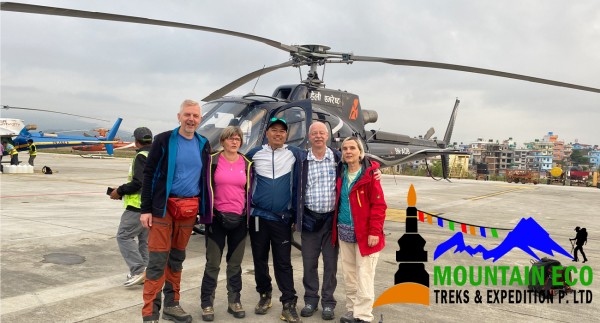
Mountain Eco Treks is a locally owned, government-registered company in Kathmandu, founded in 2017 by Ram Bahadur Tamang, a mountain leader with more than 15 years of experience in Nepal and Tibet. We are registered with the Nepal Tourism Board and affiliated with TAAN. Our certified guides are first-aid trained, and we pair them with fair-pay porters. We also support reforestation and village schools along the routes we use. You get clear pricing, small groups and fixed departures almost every month, and solo trekkers are always welcome.
Ready to Cross Larkya La?
Eleven days, one 8,000-metre giant, one unforgettable pass. Whether you are comparing options or ready to lock in dates, our team can help you choose the right season, plan and fitness approach.
👉 View the Short Manaslu Circuit Trek and fixed departures
👉 Send an inquiry or message us on WhatsApp: +977 9803926665
Want more time on the trail? Compare the longer Manaslu Circuit Trek (14 days), add the Tsum Valley Trek, or look at the Short Annapurna Circuit Trek.
Top 10 FAQs: Short Manaslu Circuit Trek
1. How many days does the Short Manaslu Circuit Trek take?
The Mountain Eco Treks itinerary takes 11 days, from the drive to Machha Khola to the drive back to Kathmandu. It covers about 110–120 km of walking. Other operators offer 9, 10, 12 or 14-day versions, but the 11-day plan keeps a full acclimatization day, which is safer. Add one or two nights in Kathmandu before and after for permits, gear checks and rest.
2. How difficult is the Short Manaslu Circuit Trek, and can beginners do it?
It is rated moderate to challenging. Days are long (5–9 hours), you sleep above 3,500 m, and the Larkya La crossing is a demanding 8–9 hour day. Fit first-time trekkers can manage it with 6–8 weeks of training, but prior high-altitude experience makes it much more comfortable. If you are new to trekking, consider a shorter route or ask our team about the 14-day version, which has a gentler pace.
3. What is the highest point of the trek?
Larkya La Pass, at 5,106 m. You cross it on Day 9 from Dharmasala (4,460 m) down to Bimthang (3,720 m). Some sources list slightly different pass heights, such as 5,135 m or 5,160 m, because measurements vary. All describe the same pass.
4. What permits do I need and how much do they cost?
You need the Manaslu Restricted Area Permit (US$100 for 7 days in Sept–Nov, US$75 for Dec–Aug, plus US$15 or US$10 per extra day), the Manaslu Conservation Area Permit (US$20) and the Annapurna Conservation Area Permit (US$20). A local municipality fee of about US$7 also applies. All must be arranged through a registered agency in Kathmandu. We handle everything and include permits in our packages. Prices can change, so confirm at booking.
5. Can I trek the Manaslu Circuit solo or without a guide?
You can travel as a solo traveler, but not without a guide. Government rules require a licensed guide for the restricted area, and permits cannot be issued to independent trekkers. If you are on your own, you can join one of our fixed group departures, which run through autumn, winter and spring, or book a private trek.
6. What is the best time to do the Short Manaslu Circuit Trek?
September to November and March to May. October has the clearest skies, while spring has blooming rhododendrons and fewer people. Monsoon brings rain and landslides, and winter can bring heavy snow that closes the pass. If you must travel outside the main seasons, speak to us about weather risk and flexible dates.
7. How much does the Short Manaslu Circuit Trek cost?
At Mountain Eco Treks, the Standard Plan is US$1,485 per person and the Budget Plan is US$1,050 per person. Standard includes private transport, a Kathmandu hotel, a shared porter and all permits. Budget uses public transport and leaves hotels and porters as optional extras. Neither includes international flights, visa, travel insurance, personal gear, drinks or tips. Budget about US$200–300 for extras such as tea, snacks, hot showers, Wi-Fi and tips.
8. What is the accommodation and food like on the trek?
You stay in simple teahouse lodges in twin-sharing rooms, with shared bathrooms and unheated rooms at altitude. Meals are three a day, with dal bhat, noodles, pasta, eggs, soups and pancakes on most menus. Dal bhat is a favorite for its unlimited refills. Hot showers and charging are usually available for a small fee, but expect limited facilities above Samagaon.
9. How do I prevent altitude sickness on this trek?
Altitude sickness is the main medical risk. Reduce it by following the planned itinerary (including the Sama Gaon rest day), walking slowly, drinking 3–4 litres of water a day, eating well, and avoiding alcohol. Learn the early symptoms: headache, nausea, dizziness and poor sleep. If symptoms worsen, you must descend. Our guides check oxygen saturation and pulse every day. Some trekkers take Diamox, but talk to your doctor before the trip.
10. Do I need travel insurance, and what should it cover?
Yes. Insurance is essential and should cover high-altitude trekking and emergency helicopter evacuation. Make sure it covers you up to at least 5,500 m, since the pass is above 5,100 m, and check that it includes medical treatment and trip delay. Carry a copy of your policy and the emergency number. Because the trail is remote, evacuation is only possible by helicopter in many places
Recent From Blog

19th Apr, 2019


23rd Dec, 2018

11th Jan, 2024

14th Jan, 2024

29th Jan, 2025

11th Feb, 2025

18th Feb, 2025

25th Feb, 2025

5th Apr, 2025
23rd Dec, 2025
9th May, 2026
12th Jul, 2026

13th Aug, 2026
13th Aug, 2026
13th Aug, 2026

16th Aug, 2026
20th Aug, 2026


11th Sep, 2026
24th Sep, 2026
25th Sep, 2026
5th Oct, 2026
6th Oct, 2026
11th Oct, 2026
13th Oct, 2026